

Anatomy of Restlessness
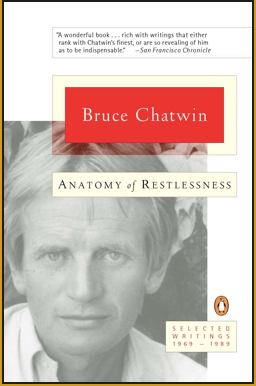
by Bruce Chatwin
Bruce Chatwin saw restlessness not as a flaw, but as something sacred—wired into our nervous system, part of what makes us human. Reading Anatomy of Restlessness, I felt like someone had finally put into words what I’ve felt my whole life: the urge to move, to leave, to begin again. Not just physically, but spiritually.
He believed movement was healing—that when we stop moving, we start to break down. His heroes weren’t just travelers but pilgrims. People who turned wandering into a way of being. That really speaks to me. Travel isn’t an escape—it’s a path, a rhythm, a return to something primal.
What I love most is how Chatwin linked creativity to motion. When stuck, he didn’t force it—he moved. Whether dreaming of a tower in Tuscany or crossing Patagonia, he let the world shape his stories. I relate to that need for change to unlock clarity. Some of us just don’t thrive in stillness.
He rejected comfort if it meant losing freedom. Luxury, to him, dulled the edge of discovery. Instead, he leaned into the unknown—trusting that walking, exploring, and paying attention to the world would eventually bring him closer to truth.
Chatwin reminds me that restlessness isn’t something to be cured. It’s something to be followed.